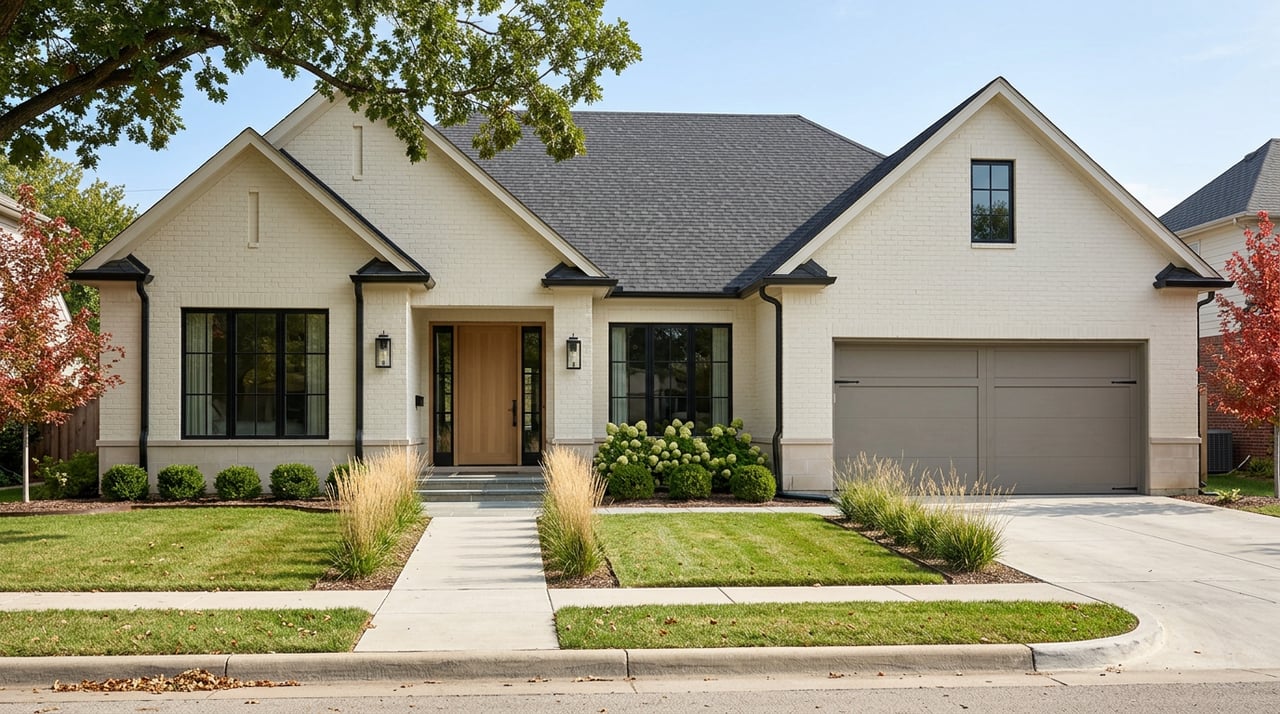
Do you ever drive through Leawood and wonder why some homes feel calm and grounded while others read sleek and dramatic at first glance? When you know the cues of each architectural style, you can spot what fits your taste, maintenance comfort, and long‑term plans. In this guide, you will learn how to recognize the most common Leawood looks, what upkeep each one tends to need, and where you are most likely to find them. Let’s dive in.
Why style matters in Leawood
Leawood is a highly owner‑occupied suburb with a strong housing base. According to U.S. Census QuickFacts, the median value of owner‑occupied housing units is about $620,400. Recent market snapshots show sales prices trending roughly in the $625,000 to $750,000 range in 2024 and 2025, which you can track through current data dashboards. Style will not set the price by itself, but it does shape first impressions, buyer interest, and curb appeal.
Leawood’s neighborhoods offer a wide mix. You will see older mid‑century streets in places like Leawood Estates and along Lee Boulevard, plus newer luxury and maintenance‑provided villa communities in southern Leawood. Those newer areas often showcase contemporary, Mediterranean, or transitional designs. Knowing what you prefer will save time and help you act with confidence when the right listing appears.
Prairie style cues in Leawood
How to spot it
Look for strong horizontal lines, low hipped roofs with broad eaves, grouped windows, and a home that feels tied to the landscape. This style traces back to the Prairie School and Frank Lloyd Wright. For regional context, explore the Prairie School tradition in the Kansas City area. Many Leawood homes are Prairie‑influenced rather than pure textbook examples.
Where you find it
Prairie‑inspired custom homes appear across the metro and surface in Leawood from time to time. You will most often see the vocabulary in updated mid‑century neighborhoods and select custom builds that borrow the look. Listings may use phrases like “Wright‑inspired” or “horizontal lines.” Keep an eye on streets with larger lots and mature trees.
Maintenance notes
Broad eaves and low slopes call for careful roof detailing and drainage. Window groupings and long horizontal runs deserve routine caulking checks. The style rewards clean lines and subtle landscaping. A tidy, low‑profile planting plan reinforces the architecture.
Contemporary and modern homes
How to spot it
Expect clean, rectilinear forms, large expanses of glass, and mixed materials like stucco, metal, and stone. Interiors skew open concept with high ceilings and sleek finishes. Many recent builds in Leawood use this vocabulary because it photographs beautifully. Several local builders showcase modern elevations and plans that fit the market.
Where you find it
You will see contemporary new construction in southern Leawood and in select infill sites. Model homes and custom builds often highlight black window frames, smooth stucco, and statement doors. Renovated mid‑century cores from the 1950s to 1970s also appear with modern updates. Watch for listings labeled “contemporary,” “modern,” or “mid‑century modern revival.”
Maintenance notes
Large glass areas need periodic cleaning and seal checks. Modern metal or standing‑seam roofs perform differently than asphalt and should be inspected by roofers familiar with those systems. For energy and comfort, modern glazing requires attention to coatings and insulation, as outlined in university guidance on window performance.
Traditional and transitional designs
How to spot it
Symmetry, brick or stone veneers, gabled roofs, and formal entries define traditional styles including Colonial and Cape Cod. “Transitional” usually means a classic exterior paired with clean, current interiors. You get timeless curb appeal with today’s finishes. It is a common thread across Leawood, old and new.
Where you find it
Many mid‑century neighborhoods feature updated traditional facades. Newer custom homes often use transitional details to feel upscale yet familiar. You will notice these styles across central and southern Leawood. Look for balanced window patterns and welcoming front stoops.
Maintenance notes
Brick and stone are durable and need little more than occasional mortar care over time. Painted wood trim and porches should be kept sealed and dry. If you have wood accents or siding, plan routine paint or stain cycles, as outlined in this wood siding longevity overview.
Ranch and mid‑century homes
How to spot it
Single‑story living with low rooflines is the giveaway. Many ranches show wide front elevations, simple eaves, and large picture windows. Some add clerestory windows or open interior spans that echo true mid‑century design. The look is simple and flexible, which is why remodels are so common.
Where you find it
You will see ranch homes throughout Leawood Estates and along Lee Boulevard. Many have been expanded or fully renovated. Listings often highlight one‑level living, updated kitchens, and new mechanicals. The bones are practical and easy to tailor to your taste.
Maintenance notes
Single‑level roofs need consistent gutter and flashing checks. When ranches are remodeled, HVAC, insulation, and windows are frequent upgrade targets. Roof material lifespan varies by type, so compare materials using roofing association guidance before you buy.
Mediterranean and Tuscan influences
How to spot it
Stucco exteriors, tile roofs, arches, and courtyards create the signature villa feel. Stone details and fountains often appear in common areas of themed communities. The palette reads warm and textured. Entries tend to be formal and framed.
Where you find it
Several luxury and villa communities in southern Leawood embrace this vocabulary. You will also see custom homes with tile roofs and stucco accents on larger lots. The look pairs well with manicured, structured landscaping. Expect cohesive streetscapes where the theme carries through.
Maintenance notes
Stucco should be inspected for hairline cracks and sealed around penetrations. Tile roofs last a long time, but underlayment eventually needs attention. For planning purposes, review stucco repair cost ranges and care tips to set expectations.
Custom estates and executive styles
How to spot it
Large footprints, layered rooflines, and mixed materials signal a custom estate. Expect extensive outdoor living with terraces, pools, and specialty landscaping. Interiors often feature two‑story great rooms and statement staircases. The feel is polished and highly amenitized.
Where you find it
You will find notable estates along Lee Boulevard and in other high‑end pockets of Leawood. Many appear in local magazine features and top‑tier listings. These properties often sit on larger lots with privacy. Presentation and upkeep are central to their appeal.
Maintenance notes
Complex roofs and exterior details benefit from proactive seasonal checks. Plan for specialty service vendors who understand stone, metal, and high‑end mechanical systems. A structured maintenance calendar protects your investment. Strong curb appeal also supports perceived value.
Match style to your lifestyle
Choosing a style becomes easier when you line it up with daily life and maintenance comfort. Use this quick checklist to narrow your search:
- Light and privacy: Contemporary plans maximize glass and views. Traditional and Prairie read more private from the street.
- Upkeep tolerance: Stucco and tile look premium but need specialty care. Wood trim needs paint cycles. Large glass needs cleaning and seal attention.
- One‑level living: Ranch layouts simplify stairs and open planning. Estates and two‑story traditionals create clear separation of spaces.
- Outdoor living: Mediterranean and custom estates often integrate courtyards and terraces. Prairie and transitional homes pair well with calm, structured plantings.
- Curb appeal value: Academic reviews find that higher landscape quality correlates with price premiums in many studies, which supports smart front‑yard updates for resale. See an overview of landscaping’s value signals for perspective.
Presentation that elevates any style
Clean presentation helps every home show its best. Focus on:
- Exterior refresh: Power wash, touch up paint, and edge planting beds. Fresh mulch and trimmed hedges photograph well.
- Lighting and hardware: Updated exterior fixtures and a clean front door create a strong arrival moment.
- Photography and staging: Listings with strong curb appeal and professional visuals tend to draw faster interest. For a sense of the before‑and‑after impact, review this staging case study roundup.
- Materials awareness: Compare roof type and glazing for lifespan and comfort. Use roof system references and window performance guides to inform offers.
Partner for the perfect fit
If you are weighing Prairie calm against modern drama, or deciding between a ranch remodel and a turnkey villa, you deserve clear, local guidance. I combine design‑forward presentation with accountable, concierge service across Leawood and greater Johnson County. When you are ready to tour with purpose or position your home for a premium result, let’s talk. Connect with Trent Gallagher-ReeceNichols to get a tailored plan.
FAQs
What home styles are most common in Leawood?
- You will most often see traditional and transitional designs, updated ranch and mid‑century homes, contemporary new builds, Prairie‑influenced customs, and Mediterranean or Tuscan themes in villa communities.
How does style affect maintenance costs in Leawood?
- Materials drive most costs, not the label, so compare roof type, stucco or wood trim needs, and glazing; use references on roof life, stucco care, and window performance.
Where do you see Mediterranean or Tuscan homes in Leawood?
- You will find them in several southern Leawood luxury and villa communities, plus custom homes with stucco and tile roofs on larger lots that favor cohesive, landscaped streetscapes.
What are typical Leawood home prices right now?
- Market snapshots in 2024 and 2025 show roughly $625,000 to $750,000 for median and sales price estimates across providers, which you can review on regional data dashboards.
How can I quickly identify a Prairie‑influenced home?
- Look for strong horizontals, low hipped roofs with broad eaves, and grouped windows that feel integrated with the landscape, consistent with the Prairie School tradition.
