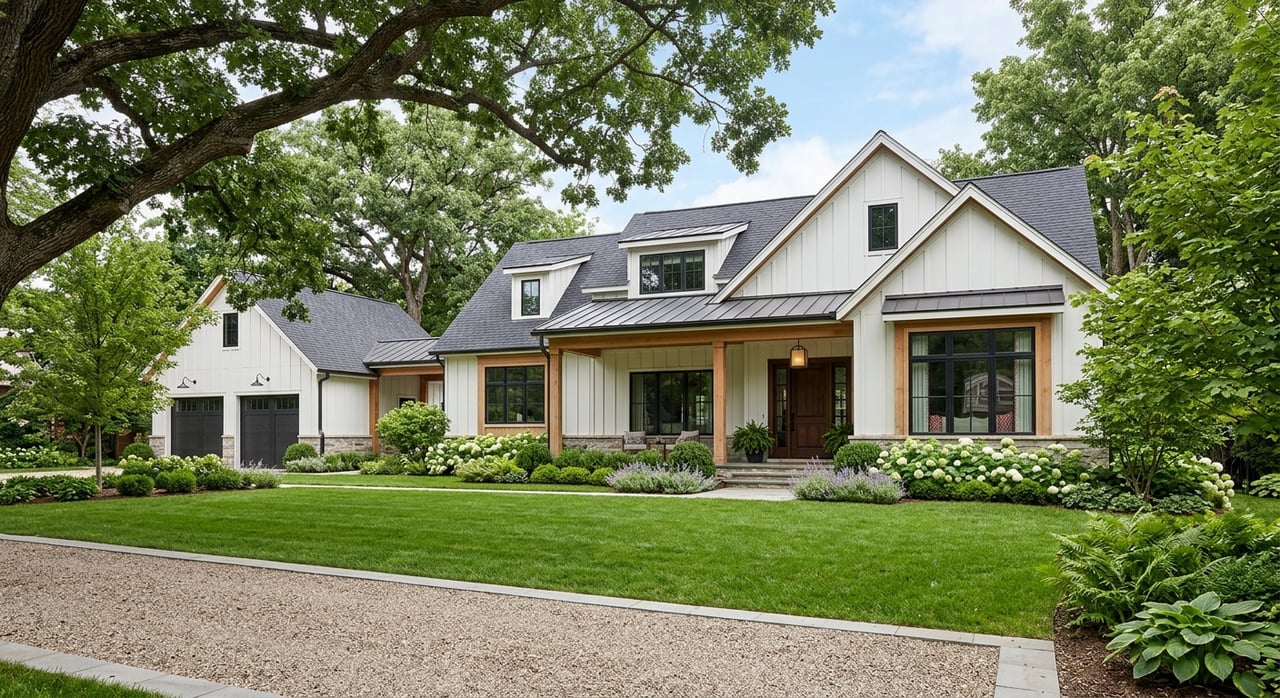
If you are shopping for luxury in Leawood, one of the biggest questions is not just which home to buy, but which kind of neighborhood fits the way you want to live. Some buyers want mature trees, long-established streetscapes, and a sense of history. Others want newer construction, more predictable upkeep, and amenities built for a lower-maintenance routine. In Leawood, both options exist, and understanding the tradeoffs can help you make a smarter decision. Let’s dive in.
Leawood Luxury Comes in Different Forms
Leawood stands out because its luxury market is not one-size-fits-all. The city describes itself as a mix of long-established neighborhoods and newer development, and current planning work reflects that balance as Leawood updates its long-range plan and development ordinance.
That matters because your luxury buying decision may come down to lifestyle more than price point alone. In one part of Leawood, you may find mature landscaping, layered architecture, and established neighborhood systems. In another, you may find curated design, newer plats, and maintenance-provided living.
What Established Luxury Feels Like
For many buyers, Hallbrook Farms is the clearest example of established luxury in Leawood. According to the Hallbrook HOA, the neighborhood traces its roots to 1927, and the homeowners association was created in 1999.
That history often shows up in the experience of the neighborhood itself. Established areas usually offer a more mature canopy, a settled streetscape, and common areas that feel fully formed rather than still evolving.
In Hallbrook, the HOA owns and maintains common areas including berms, neighborhood entrances, 93 islands, monuments, a guardhouse, mailboxes, security cameras, light poles, and street trees. Exterior changes also require approval, which is an important detail if you want to update or personalize a property.
Club-Centered Living in Leawood
Another established luxury reference point is the Country Club of Leawood, founded in 1968. It offers golf, a practice range, a Junior Olympic-size pool, fitness, dining, and social programming.
For buyers, this helps define a specific type of luxury lifestyle. You may be looking at a neighborhood that feels connected to club traditions and long-running amenities, while the club itself remains a separate part of your decision-making process.
That distinction matters. If club access is important to you, it is smart to ask what is part of neighborhood ownership and what may require separate membership or participation.
What Newer Luxury Looks Like
On the newer side of Leawood luxury, Hallbrook East Village offers a different value proposition. City planning materials show the Hallbrook East subdivision was originally approved in 2017 with 33 lots on 8.62 acres south of 114th Street and east of Overbrook Road.
The current community materials market homes from $1.6 million, with lots from the $180s to the $400s, homes ranging from 2,800 to 4,000-plus square feet, low-maintenance design, French Normandy architecture with brick and tile roof, and options that include five custom plans or design-to-suit.
This is a good example of what draws buyers to newer luxury. You may get a more coordinated architectural look, newer systems, and less near-term maintenance compared with an older home.
Regents Park and Maintenance-Provided Living
Regents Park is another newer high-end Leawood option. City ordinance 3202 rezoned 4.66 acres for detached residential use within the Regents Park development south of 135th Street and west of Kenneth Road, and city records also show it as part of a larger platted project.
Community materials market 57 homes, including estate single-family homes from $1.7 million-plus and paired villas from $1 million-plus. The neighborhood also highlights maintenance-provided living, a pool, pickleball, a dog park, walking trails, snow removal, lawn care, irrigation maintenance, common area upkeep, and weekly trash service.
For many buyers, that package is the appeal. Instead of taking on more of the exterior workload yourself, you are choosing a neighborhood structure that bundles many day-to-day responsibilities into HOA-supported living.
The Biggest Tradeoffs Buyers Compare
When you compare established and newer luxury neighborhoods in Leawood, the decision often comes down to a few practical categories.
Landscaping and Tree Canopy
Established enclaves usually have mature trees and a more finished look from the street. Newer communities may feel cleaner and more uniform, but landscaping often needs time to grow into the setting.
Leawood’s updated street-tree rules reinforce how important this issue is. The city says the rules apply to all properties and provide more flexibility for older neighborhoods with narrower tree lawns.
The city also states that the adjacent landowner is generally responsible for planting, pruning, maintaining, and replacing street trees unless an HOA has taken on that role. That means tree responsibility can vary from one neighborhood to another, so it is worth asking detailed questions before you buy.
Architecture and Streetscape
Older luxury areas in Leawood often feel more layered because they reflect more than one era of development. Newer communities usually feel more coordinated because they are shaped by current approvals, design controls, and a more unified vision.
Neither approach is automatically better. If you want a neighborhood with visual consistency and a more curated look, newer luxury may fit you well. If you prefer a setting with more established character and variety, an older enclave may feel more natural.
Amenities and Ownership Experience
Established luxury neighborhoods often pair private homeownership with club-centered amenities or long-managed common areas. Newer communities more often package daily convenience directly into the HOA structure.
That is why two neighborhoods at similar price points can feel very different in practice. One may emphasize golf, dining, and established prestige, while another may focus on lawn care, snow removal, trails, recreation spaces, and lock-and-leave convenience.
Near-Term Maintenance
A newer luxury home often appeals to buyers who want less immediate upkeep. With newer construction, the systems, finishes, and exterior components may require less short-term replacement.
In an established home, you may gain lot maturity and neighborhood history, but you should also expect closer review of age-related systems and ongoing upkeep. The right fit depends on whether you value settled character more than lower near-term maintenance demands.
Questions to Ask Before You Choose
No matter which direction you lean, asking the right questions can help you avoid surprises and compare neighborhoods more clearly.
Ask About Maintenance Responsibilities
Start with the basics:
- Is the neighborhood maintenance-provided or mostly homeowner-maintained?
- Does the HOA handle lawn care, snow removal, irrigation, or common-area upkeep?
- Are street trees maintained by the homeowner or the HOA?
These details shape your monthly costs, your time commitment, and the overall ownership experience.
Ask About Amenities Access
Amenities can look impressive in marketing, but access matters just as much as appearance.
Ask questions like:
- Are amenities owned by the neighborhood or managed separately?
- Is club membership included, optional, or separate?
- Are all amenities complete and currently available?
This is especially important if lifestyle is a major reason you are considering one neighborhood over another.
Ask About Construction and Phase Status
In newer communities, make sure you understand where the neighborhood is in its development timeline.
Helpful questions include:
- Is the home in a completed phase?
- Is nearby construction still ongoing?
- Are all lots spoken for, or will the streetscape continue changing?
A beautiful model or finished section may not tell the full story of what daily life will feel like over the next few years.
Ask About Design Rules
Luxury neighborhoods often protect appearance through architectural review. That can help preserve consistency, but it can also affect your future plans.
Before buying, ask:
- What exterior changes require approval?
- How detailed are the design guidelines?
- Are there restrictions that could affect landscaping, additions, or exterior updates?
If you expect to personalize the property, these details are worth reviewing early.
How to Decide What Fits You Best
If you are drawn to mature streetscapes, neighborhood history, and a more established luxury setting, Leawood’s legacy enclaves may feel like home. If you prefer newer construction, more standardized design, and more built-in maintenance support, newer luxury communities may be the better fit.
The key is not deciding which type is better in general. It is deciding which tradeoffs match your daily life, your maintenance preferences, and the kind of ownership experience you want.
In Leawood, luxury is a spectrum, and that is part of what makes the market so compelling. If you want help comparing older enclaves, newer developments, or off-market opportunities, Trent Gallagher-ReeceNichols can help you evaluate the details that matter most.
FAQs
What is the difference between established and newer luxury neighborhoods in Leawood?
- Established luxury neighborhoods in Leawood usually offer mature trees, more layered streetscapes, and longer neighborhood history, while newer luxury neighborhoods often focus on newer construction, coordinated design, and more maintenance-provided living.
What should buyers ask about Leawood HOA maintenance?
- You should ask whether the HOA handles lawn care, snow removal, irrigation, common-area upkeep, and street-tree responsibilities, because these details can vary by neighborhood.
Are club amenities in Leawood neighborhoods part of homeownership?
- Not always. In some established luxury settings, club amenities such as golf, dining, fitness, or pool access may be separate from neighborhood ownership, so you should confirm what is included.
Why do street trees matter when buying a luxury home in Leawood?
- Street trees affect curb appeal, maintenance responsibilities, and long-term upkeep. Leawood’s rules apply to all properties, and responsibility may fall to the adjacent landowner unless an HOA has taken that role.
How can buyers compare newer Leawood luxury communities?
- Compare whether the neighborhood is in a completed phase, what amenities are already in place, what maintenance is included, and how detailed the architectural or exterior-change rules are.
