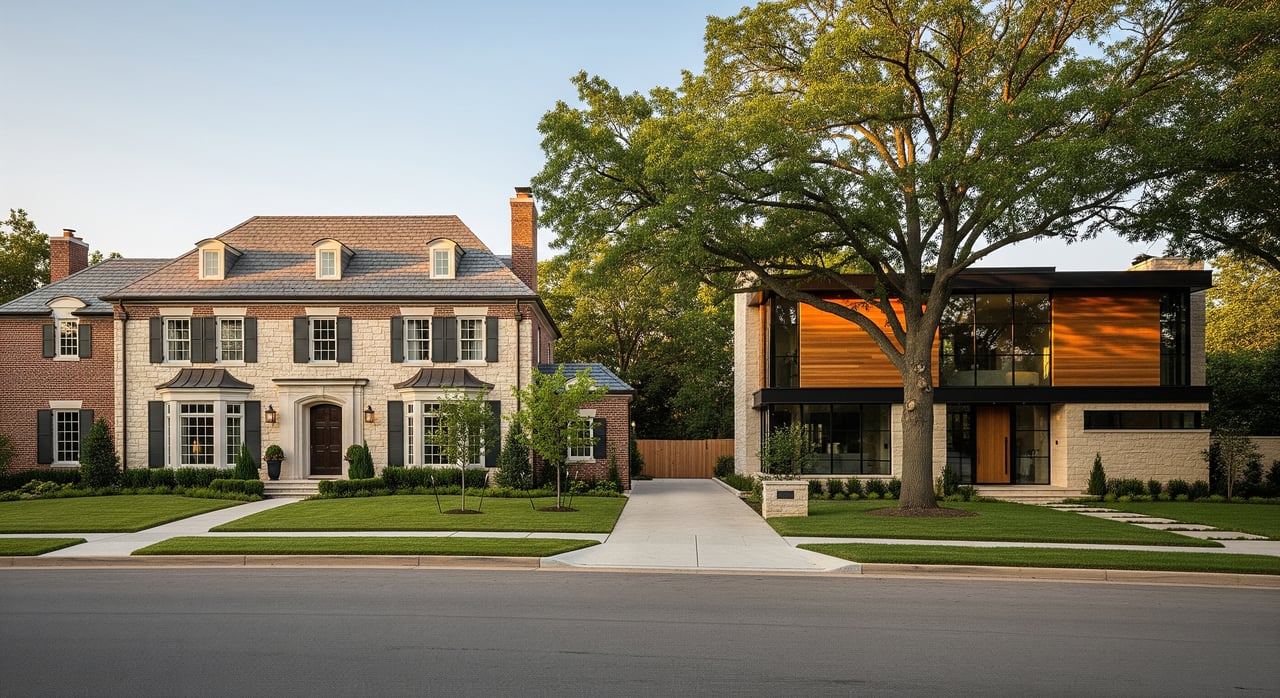
Wondering if a sleek modern look or a timeless traditional style will reward you most when you sell in Leawood? You are not alone. Many local sellers and move-up buyers wrestle with style choices, budgets, and what today’s buyers will actually pay for. In this guide, you will see what holds value in Leawood, how style fits neighborhood context, and which updates deliver the best return. Let’s dive in.
Leawood market at a glance
Leawood sits at the upper end of Johnson County’s market with higher median prices and per-square-foot values relative to the wider KC metro. You will find a mix of established traditional homes, custom estates, and newer construction that leans contemporary or transitional. After fast gains earlier in the decade, 2023–2024 brought more normal inventory and steadier demand. Presentation and pricing matter, and homes with thoughtful updates still outperform purely trendy makeovers.
Buyers often prioritize school access, neighborhood services, and proximity to employment centers. Parts of Leawood are served by Blue Valley USD 229 and Shawnee Mission USD 512. At luxury price points, authenticity and craftsmanship lead. In the mid-upper tiers, buyers put more weight on turnkey condition, functionality, and low maintenance.
Style overview in Leawood
Traditional homes
Traditional homes feature symmetrical facades, brick or stone exteriors, gabled roofs, and detailed millwork. Interiors often have formal dining and living rooms with defined spaces. Many 1980s–2000s homes follow this pattern. Buyers who like classic curb appeal and formal entertaining tend to favor this style.
Modern homes
Modern and contemporary homes use open plans, large glass, and simplified lines. Expect mixed materials like stucco, metal, and wood, plus streamlined kitchens and strong indoor-outdoor flow. Modern builds are growing through infill and new subdivisions but remain a smaller share of inventory. They often appeal to design-forward buyers and professionals who value newer systems.
Transitional homes
Transitional design blends traditional proportions with cleaner finishes. Think shaker cabinets with modern fixtures, open kitchens inside classic shells, and neutral palettes. This style has broad appeal across price points and is common in renovations and newer builds.
What truly holds value
The biggest driver of value is not whether a home is modern or traditional. It is the quality of execution, day-to-day functionality, and fit with the neighborhood. In established traditional enclaves, buyers expect exteriors that respect scale, rooflines, and materials. A dramatic exterior shift to ultra-modern can narrow your buyer pool and complicate appraisals.
In newer pockets with contemporary builds, well-executed modern design can command a premium. Across most of Leawood, a traditional exterior paired with a modernized, functional interior tends to sell well. Transitional updates strike the right balance for many sellers who want wide appeal without a full overhaul.
Features buyers prioritize
- Open, functional kitchen with quality appliances, generous storage, and clear sightlines to living space.
- Main-floor primary suite or flexible bedroom options that work for different life stages.
- Dedicated home office with privacy and strong connectivity.
- Mudroom or combined laundry near the garage entry for daily convenience.
- Outdoor living with a level yard, patio or deck, and room for dining and play.
- Real hardwood floors, neutral paint, and updated lighting and hardware.
- Energy-efficient mechanicals and windows, plus simple smart home features.
High-ROI updates for sellers
When you prepare to sell, focus on updates that increase marketability and speed to contract. National cost-versus-value patterns show minor, targeted improvements often recoup more than full gut remodels in upscale markets.
Declutter, paint, and floors. Fresh, neutral paint and refinished hardwoods make spaces feel larger and current.
Kitchen refresh. If a full remodel is not feasible, consider new countertops, cabinet paint or refacing, modern hardware, and layered lighting. Mid-range appliance updates can help.
Primary bath tune-up. Replace dated vanities and lighting and improve storage. Avoid extreme finishes that shrink your buyer pool.
Curb appeal. Healthy lawn, trimmed plantings, a clean entry, updated fixtures, and a new garage door if worn. Strong curb appeal boosts showings.
Systems and documentation. Buyers in Leawood expect mechanicals that meet current standards. Service or replace HVAC and water heaters as needed. Keep receipts and service records ready.
Functional spaces. Add or enhance a main-floor office, mudroom, or flexible finished basement. These spaces carry real weight for local buyers.
Outdoor living. A well-designed deck or patio adds appeal. Scale the project to the home and neighborhood for better return.
Projects to approach with caution include ultra-bespoke finishes, high-gloss extremes, or unusual color schemes that limit appeal. Be careful with major structural changes that alter footprint or massing in areas where comparables are uniform. Appraisal support can suffer if you outbuild the neighborhood.
Neighborhood rules and permits
Many Leawood neighborhoods have covenants or HOA rules that set standards for exterior materials, rooflines, and colors. Always review these before planning exterior changes. Significant remodels and additions require permits through the City of Leawood and must meet setback and design rules. If you plan to alter a roofline or massing with contemporary elements, expect more review and possible neighbor input.
Appraisers rely on nearby comparable sales. If you pursue a bold modern exterior in a block of traditional homes, there may be fewer comps. Preserving scale and echoing exterior materials common to the street can help your appraisal and marketability.
Guidance by price point
Luxury and custom estates
At the high end, buyers reward authenticity and enduring materials. Real hardwood, natural stone, and custom millwork hold value better than trend-chasing finishes. A modern aesthetic can work well if it is executed with quality and restraint. Poorly built or overly flashy projects underperform.
Mid-upper single-family resale
In the core Leawood resale market, turnkey condition and flexible, neutral spaces usually matter more than strict style labels. Transitional updates often shorten days on market and support pricing compared with dated or polarized design choices.
Modern in traditional enclaves
If your neighborhood is mostly traditional, a fully modern conversion is riskier. Keep exterior proportions, roof pitches, and materials in line with nearby homes. Focus the modern vibe on interiors and outdoor living to widen your buyer pool.
Move-up buyer tips
Match your style choice to the neighborhood and your time horizon. If you expect to resell sooner, align with the local vernacular to protect flexibility. If you are set on a standout modern home in a traditional pocket, plan for a smaller buyer pool and potentially longer marketing time.
When in doubt, choose transitional interiors. Invest in durable, classic materials like hardwood and stone. Keep wall colors light and neutral, and use updated yet simple lighting and hardware. You will enjoy a fresh look now without boxing yourself into a niche later.
Pricing and presentation
Price against nearby comparables that match size, lot, and functional layout. Adjust for finished condition and the quality of your updates rather than style alone. Marketing should highlight functional wins such as a main-floor primary suite, dedicated office, new systems, and outdoor living, along with design.
Professional staging and photography are high-impact, cost-effective moves. In Leawood’s competitive tiers, strong presentation can shorten days on market and help you achieve target terms.
Bottom line for Leawood sellers and buyers
In Leawood, quality, functionality, and neighborhood fit drive value more than a strict modern or traditional label. Transitional updates deliver broad appeal, but truly modern design can shine in the right pocket if executed well. Focus your budget on kitchens, baths, paint, floors, curb appeal, and systems, and check HOA and city rules before you change exteriors.
If you are planning a sale or weighing a move-up purchase, let’s align your style and budget with what the Leawood market rewards. For tailored guidance, premium presentation, and negotiation-focused service, connect with Trent Gallagher-ReeceNichols. Request Your Complimentary Home Valuation.
FAQs
What style sells fastest in Leawood?
- Homes that pair a traditional exterior with modernized, functional interiors often sell fastest because they fit neighborhood norms and offer turnkey living.
Which updates add the most value before selling in Leawood?
- Start with neutral paint, refinished floors, a kitchen refresh, primary bath updates, curb appeal, and up-to-date mechanicals, then add functional spaces like an office or mudroom.
How do HOAs in Leawood affect exterior changes?
- Many neighborhoods regulate exterior materials, rooflines, and colors, so review covenants early and secure approvals before investing in visible changes.
Are modern homes harder to appraise in traditional areas?
- They can be, because appraisers may have fewer nearby comparables; preserving scale and using materials common to the street can improve support.
What features do Leawood buyers want in kitchens?
- Open sightlines to living areas, quality appliances, ample storage or a large pantry, durable countertops, and layered lighting are top priorities.
How should I price a renovated home in Leawood?
- Anchor pricing to local comps that match size, lot, and layout, then adjust for quality and recency of updates rather than style alone for an accurate list strategy.
