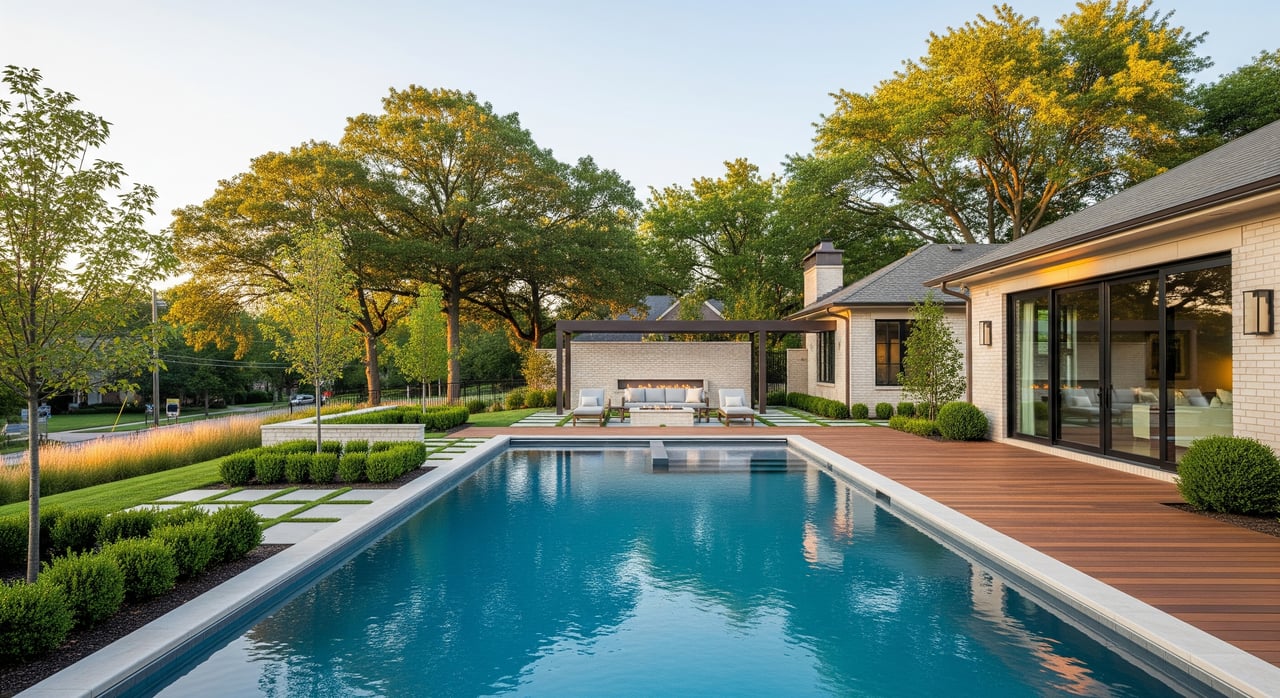
Thinking about a pool home in Overland Park but not sure if it will boost your resale or become a hassle? You’re not alone. A pool can be a standout lifestyle feature, yet it also narrows the buyer pool and adds maintenance. In this guide, you’ll learn how pools tend to influence value in Johnson County, what to check for permits and HOA rules, how to plan seasonal care, and how to prepare a pool home for a smooth sale. Let’s dive in.
Do pools boost resale in Overland Park?
In Overland Park’s warm, humid summers, a well-kept pool can be a strong lifestyle draw. The impact on resale depends on neighborhood norms, lot size, pool condition, and price tier. Pools rarely recoup their full installation cost at resale, but in the right setting they can support a premium.
Your best indicator is recent neighborhood comparables. If many nearby homes have pools, a pool is often neutral-to-positive for resale. If pools are rare and the lot is small or the pool is dated, the effect can be neutral or negative.
What buyers value most
- Neighborhood fit and comps. Pools that match common neighborhood amenities tend to perform better.
- Lot size and layout. Generous yards with a well-sited pool and usable green space show well.
- Condition and safety. Updated equipment, clean decking, secure fencing and gates are compelling.
- Features and finish. Heating, a spa, lighting, quality hardscaping, and landscaping elevate perception.
- Price tier. Higher-priced homes often see more buyer expectations for outdoor amenities.
When a pool can hurt value
- The pool crowds the yard and reduces functional outdoor space.
- The system is aged or neglected, with visible wear, leaks, or code issues.
- Lack of permits or documentation creates buyer risk and financing questions.
- Deferred deck or fence maintenance signals future costs to buyers.
Permits, codes, and HOAs in Overland Park
In-ground pools typically require a building permit. Above-ground pools can also require permits based on height, decks, and utilities. Electrical, gas, and plumbing work generally needs separate permits and inspections. If past work was done without permits, you should consult the city about corrective steps or retroactive permitting.
Overland Park maintains pool barrier requirements that generally address fencing height, self-closing and self-latching gates, and design to deter child access. Some jurisdictions reference the International Swimming Pool and Spa Code, but you should confirm local adoption and specifics with the city’s building department. Alarm and cover requirements vary; plan to verify what applies to your property.
Homeowner associations often regulate fence type, screening, equipment placement, and overall design. New installations may require architectural approval. If you are buying, request the CC&Rs early. If you are selling, provide buyers with your HOA rules and any approvals on file.
Quick compliance checklist
- Verify building permits for the pool and any related electrical, gas, or plumbing work.
- Confirm that fencing and gates meet current barrier requirements.
- Gather HOA approvals and rules for the pool, fencing, and equipment.
- Keep documentation of inspections and any corrections or updates.
Maintenance and seasonal care in our climate
Overland Park experiences four true seasons. Pools are typically used from late spring through early fall, with winterization required before freezing temperatures. Heating can extend the season, but it increases operating costs.
What routine care includes
- Water chemistry. Test and balance chlorine, pH, alkalinity, and calcium hardness. Increase frequency during heavy use.
- Circulation and filtration. Run the pump daily in season, clean or replace filters, and inspect skimmers.
- Cleaning. Skim, brush, and vacuum. Automation can reduce labor but still requires oversight.
- Equipment upkeep. Pumps, filters, heaters, salt systems, and controls wear over time and need periodic service or replacement.
Cost expectations to plan for
Installation costs vary widely by type and site conditions. Above-ground pools are generally less expensive; in-ground vinyl, fiberglass, and concrete have higher upfront costs, especially with extras like spas, decking, and lighting. Annual routine maintenance can range from the low hundreds with DIY to several thousands with weekly service, heating, and repairs. Because costs vary significantly, it’s wise to get two to three local quotes for both installation and service.
Seasonal maintenance calendar
- Spring opening. Remove and store the cover, reconnect equipment, inspect for leaks, balance water, and test all systems. Consider a professional opening for safety and speed.
- Summer care. Test and balance water several times weekly during peak use. Clean filters, monitor pump runtimes, and maintain consistent cleaning routines. Watch for wear in seals, baskets, and cartridges.
- Early fall prep. Schedule closing before the first hard freeze. Lower the water level if appropriate, blow out or protect lines, secure a cover, and take end-of-season equipment photos for your records.
- Winter checks. Even with the pool closed, inspect the cover, fencing, and equipment area periodically. If you use a heater to extend the season, confirm safe operation and energy implications.
Salt vs. chlorine systems
Salt systems generate chlorine from salt added to the water, which can reduce manual chemical handling. Many owners perceive salt as more convenient, but it can introduce corrosion concerns for certain components over time. Traditional chlorine systems remain common, reliable, and familiar to many service providers. Buyer preferences vary, so the best choice is the system you can maintain consistently.
Energy and water considerations
Heating is often the biggest driver of operating cost. Heat pumps and solar covers can improve efficiency by retaining heat and reducing evaporation. Water bills rise with initial fills and periodic backwashing. Check with your local utility on rates and any seasonal guidelines for refilling or maintenance.
Inspections, disclosures, and prepping to sell
A professional pool evaluation can prevent surprises. Even if a general home inspection includes basic pool observations, specialized pool inspections provide deeper insight into shell condition, equipment function, code and safety items, and potential leaks.
Buyer due diligence checklist
- Hire a licensed pool inspector or experienced contractor.
- Evaluate the shell for cracks, liner condition, and signs of leaks.
- Test pump, filter, heater, lights, automation, and visible plumbing.
- Review electrical bonding and visible connections for safety.
- Inspect coping, tile, and decking for trip hazards or damage.
- Verify fencing, gates, alarms, and cover compliance.
- Request permits, inspection history, service records, and warranties.
Seller disclosure and documentation
Kansas uses a Seller’s Property Condition Disclosure form. You should disclose material facts about the pool, including known leaks, safety issues, unpermitted work, or major repairs. Provide records when available. If past work lacked required permits, contact the city early in the listing process to understand your options. Lack of documentation can complicate buyer confidence and financing.
Pre-listing fixes that pay off
- Address safety first. Repair or replace gate latches, correct fence gaps, secure covers, and fix damaged decking or coping.
- Ensure equipment works properly. Replace worn filter cartridges or failing seals and confirm heater operation.
- Refresh the look. Clean the water, repair missing or stained tile, pressure wash the deck, and trim landscaping.
- Be selective with big upgrades. Major renovations rarely return dollar for dollar, so let neighborhood comps guide your decisions.
Staging for photos and showings
Present the pool as safe, clean, and immediately usable. Clear water, tidy decking, and secure fencing go a long way. Highlight upgrades like heaters, lighting, integrated spas, and automation. If you list off-season, share maintenance logs and professional winterization records to reassure buyers.
Timing your sale
Pool homes typically show best in spring and summer. If you need to sell in winter, reduce uncertainty by providing a recent pool inspection, clear service history, and documentation of permits and compliance.
Insurance, liability, and safety
Pools increase liability exposure and can affect insurance premiums and coverage requirements. You should notify your insurer if a property has a pool. Many owners increase liability limits or add an umbrella policy for additional protection.
Insurers often expect basic safety measures as a condition of coverage or preferred pricing. These steps also help buyers feel more confident during a sale.
Practical safety checklist
- Install and maintain compliant fencing with self-closing, self-latching gates.
- Add alarms where appropriate, such as door, gate, or surface alarms.
- Use a secure cover for winter and consider an automatic cover for added safety.
- Keep a life ring or reach pole visible and accessible.
- Post simple safety rules in guest or rental settings.
- Review insurance coverage with your agent before buying or listing.
Quick decision guide: Is a pool right for you?
- You enjoy outdoor entertaining and want to maximize summer living at home.
- Your lot easily accommodates a pool with room for play and seating.
- You are comfortable with routine care or plan to hire a service.
- Your neighborhood has enough pool comps to support resale.
- You can document permits, safety compliance, and maintenance.
If that checklist fits, a pool can be a great lifestyle choice that also presents well at resale.
Ready to talk through your specific property and neighborhood comps? Connect with me for a clear plan to protect value, highlight safety and design, and position your pool home to win. Reach out to Trent Gallagher-ReeceNichols for tailored guidance and premium marketing.
FAQs
How do pools affect resale in Overland Park?
- Pools can help or hurt depending on neighborhood norms, lot size, condition, and features; well-maintained pools in areas with similar amenities often perform best.
What permits and inspections do I need for a pool in Overland Park?
- In-ground pools typically need a building permit, and related electrical, gas, or plumbing work requires separate permits; confirm specifics with the city and your HOA.
How much does a pool cost to maintain in Johnson County?
- Annual maintenance ranges widely, from low DIY costs to higher full-service plans with heating and repairs; get two to three local quotes for accurate budgeting.
What should sellers do before listing a pool home in winter?
- Provide maintenance and winterization records, confirm safety compliance, and consider a professional pool inspection to reduce buyer uncertainty.
Do pools raise home insurance premiums in Kansas?
- Pools increase liability exposure, and insurers may require safety measures or higher limits; notify your carrier and review coverage before buying or listing.
