Wondering how to make your Prairie Village home feel more elevated without stripping away the charm buyers expect here? In a market where homes can move quickly and buyers often notice presentation quality right away, staging is not about making your home look flashy. It is about helping buyers see a polished, well-cared-for property that feels easy to love from the first photo to the final walkthrough. Let’s dive in.
Why luxury-level staging works in Prairie Village
Prairie Village is a compact, mostly owner-occupied Johnson County market with limited land for new detached homes and a housing stock shaped heavily by the 1950s. That creates a mix buyers know well: established neighborhoods, older homes with character, and steady demand for updated, move-in-ready presentation.
That context matters when you prepare to sell. Recent market snapshots showed a median sale price of $524,729 in April 2026 and a median of just 5 days on market in Prairie Village. In a fast-moving market like that, your home often has to make a strong impression immediately.
Luxury-style staging helps because it sharpens the story your home tells. Instead of feeling small, dated, or overly personal, your home can read as intentional, refined, and ready for its next owner.
What “compete like luxury” really means
In Prairie Village, competing like luxury does not mean overdecorating or trying to imitate a brand-new custom build. It means presenting your home with the same care, editing, and visual discipline that buyers expect from higher-end listings.
That usually looks like quiet luxury. You keep the character that fits Prairie Village, such as hardwood floors, brick details, built-ins, or mid-century lines, while removing distractions that make the home feel busy or tired.
The goal is simple: help buyers notice quality first. When your finishes, layout, light, and upkeep come through clearly, buyers are more likely to feel confident about the home.
Start with the rooms buyers notice most
According to the National Association of Realtors 2025 Profile of Home Staging, the living room, primary bedroom, and kitchen are the most important rooms to stage. Buyer agents also reported that staging helps buyers picture the home as their future residence.
That finding fits Prairie Village especially well. Many homes here are modest in size compared with newer construction, so each room needs to communicate function, scale, and comfort right away.
Stage the living room for scale
Your living room should feel open, calm, and easy to understand. If the room is crowded, remove extra seating, oversized tables, or large personal collections that break up the sightlines.
Use a simple layout that highlights conversation space and flow. In many Prairie Village homes, one of the best staging moves is just creating breathing room so buyers can see the floor area and imagine daily life there.
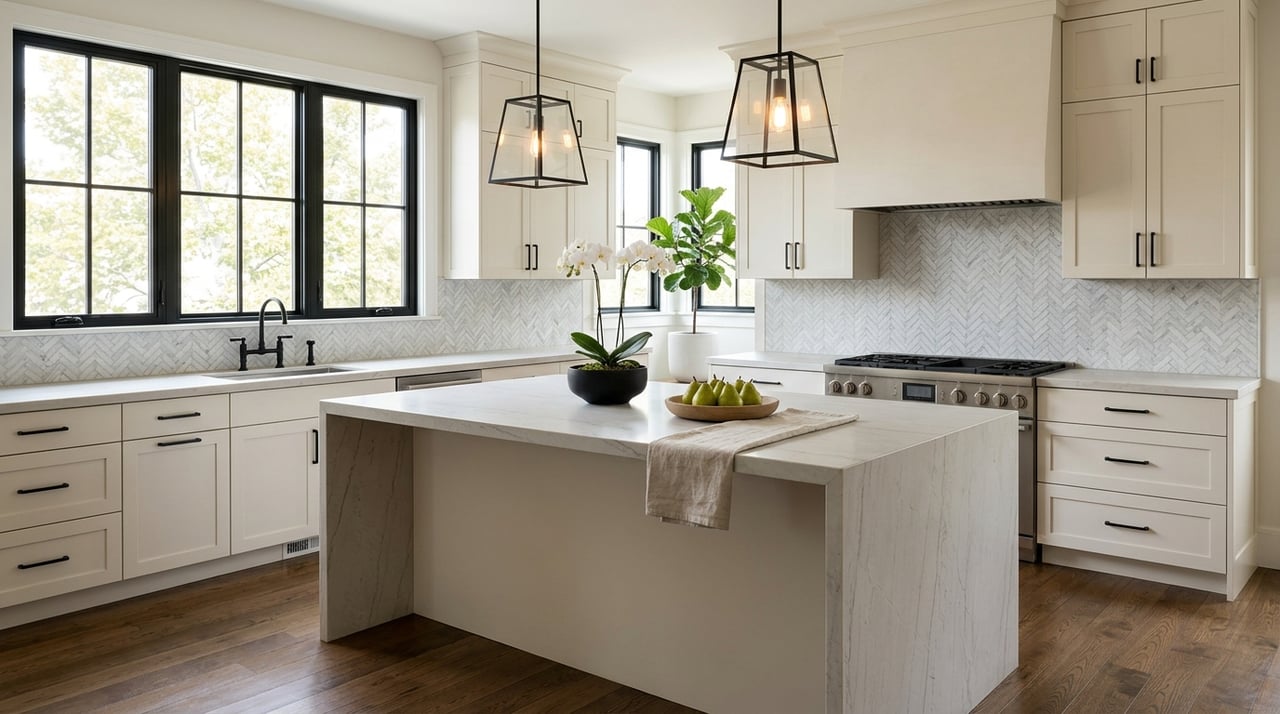
Stage the kitchen for clarity
In the kitchen, less is almost always more. Clear counters, remove magnets and papers, and leave only a few intentional items like a bowl, a board, or one small decorative accent.
If your kitchen has been updated, staging should help buyers notice those updates. If it has older finishes, clean styling can still make it feel cared for, functional, and easier to accept.
Stage the primary bedroom for calm
The primary bedroom should feel restful and spacious. Neutral bedding, matched lamps, and pared-back surfaces can make a major difference without requiring a full redesign.
Avoid cramming the room with too much furniture. In older Prairie Village homes, buyers respond well when the bedroom feels bright, simple, and easy to move through.
Keep Prairie Village character, lose the dated feel
One of the biggest mistakes sellers make is trying to erase the home’s identity. Prairie Village has a clear housing story, and buyers often appreciate homes that still feel connected to that setting.
Instead of hiding character, refine it. Let hardwoods show. Clean and simplify built-ins. Highlight classic lines, brick elements, and original features that still feel attractive and useful.
At the same time, remove cues that suggest deferred upkeep or a future project. Warm neutral paint, matching hardware finishes, edited shelves, clean window coverings, and unobstructed floors can help the house feel current without feeling generic.
Curb appeal matters before buyers walk in
Luxury-level presentation starts outside. In Prairie Village, exterior upkeep is not just a style issue. The city’s property-maintenance rules require premises to be kept free from weeds or plant growth over 8 inches, and adjacent property owners are responsible for maintaining trees along city streets, including trimming hanging or broken branches and keeping limbs clear over streets and sidewalks.
That means curb appeal should be handled with precision. A freshly mowed lawn, crisp edging, trimmed canopy, swept hardscape, and a clean front walk all signal care before a buyer ever opens the door.
Focus on clean, not flashy
You do not need dramatic landscaping to compete. In Prairie Village, a luxury look usually comes from consistency and maintenance, not spectacle.
Prioritize these basics:
- Mow and edge the lawn
- Remove weeds and overgrowth
- Trim branches and clear sidewalks
- Sweep porches, walks, and drive areas
- Remove clutter from the front entry
- Make the front door and hardware look clean and intentional
When the exterior feels tidy and maintained, buyers are more likely to assume the same about the rest of the home.
Prep for photos like buyers will see everything
They will, because they usually do. NAR notes that the camera is less forgiving than the human eye, which is why clutter, grime, poor lighting, and visual distractions show up so strongly in listing photos.
In a market where online presentation can determine whether buyers schedule a showing, photo prep deserves real attention. Your home does not need to be perfect, but it does need to look crisp, bright, and distraction-free.
Use a photo-day checklist
Before photography, focus on the details buyers will notice online:
- Open blinds to maximize natural light
- Deep clean visible surfaces
- Remove magnets, notes, and countertop clutter
- Put away toys, clothes, and pet items
- Make every bed neatly
- Clear kitchen and bathroom counters
- Organize the refrigerator exterior and other visible appliance surfaces
- Move cars out of the driveway if possible
- Close toilet lids
- Avoid strong odors
These steps sound simple, but together they can dramatically improve how your home reads in the gallery.
Editing matters more than adding
The best Prairie Village staging often comes from subtraction. Because many homes here are not oversized, too much furniture or too many accessories can make rooms feel tighter and darker than they really are.
Try to edit with purpose. Leave enough in each room to show function and warmth, but remove anything that competes with space, light, or architectural detail.
A few well-chosen pieces usually outperform a room full of small decor. Buyers tend to respond better when the home feels composed and easy to understand.
Budget for staging strategically
If you are weighing whether staging is worth the investment, the data suggests it often helps. NAR’s 2025 staging report found that 29% of agents said staging led to a 1% to 10% increase in the dollar value offered, and 49% said staging reduced time on market.
The same report found a median cost of $1,500 for a staging service, compared with $500 when the seller’s agent handled staging. That does not mean every home needs the same level of spend. It means presentation should be part of your pricing and launch strategy, not an afterthought.
In Prairie Village, the right plan may be full staging, partial staging, or design-forward preparation that improves key rooms and photography. What matters most is matching the level of effort to the home, the likely buyer, and the price point.
A smart Prairie Village staging plan
If you want your home to compete like luxury, focus on the steps that create the clearest visual payoff.
Prioritize in this order
- Clean and repair first
- Fix visible maintenance issues, touch up paint, and deep clean every room.
- Edit furniture and decor
- Remove pieces that block flow or make rooms feel smaller.
- Stage the core rooms
- Put the most effort into the living room, kitchen, and primary bedroom.
- Refine curb appeal
- Make sure the exterior looks neat, compliant, and well maintained.
- Prepare carefully for photos
- Treat photo day like show day, because buyers often decide online first.
This approach helps your home feel elevated without losing the neighborhood fit that Prairie Village buyers often value.
A polished sale rarely comes from luck. It usually comes from clear strategy, disciplined presentation, and knowing which improvements will actually move the needle. If you want to position your Prairie Village home with the kind of care that helps it stand out, Trent Gallagher-ReeceNichols offers direct, design-forward guidance tailored to your home and your goals.
FAQs
What does luxury-style staging mean for a Prairie Village home?
- It means presenting your home with a refined, well-edited look that highlights quality, space, light, and upkeep while still respecting the home’s original character.
Which rooms matter most when staging a Prairie Village listing?
- The living room, primary bedroom, and kitchen usually matter most because buyers and buyer agents consistently rank those spaces as the highest priorities.
Should you stage an older Prairie Village home differently than a newer home?
- Yes. Older homes often benefit from staging that clarifies room function, opens sightlines, and balances original character with simple, current finishes and decor.
How important is curb appeal when selling a home in Prairie Village?
- Curb appeal is very important because it shapes the first impression, affects listing photos, and reflects the level of care buyers expect in a fast-moving market.
Is professional staging worth the cost for a Prairie Village seller?
- It can be, especially when presentation is likely to affect buyer interest, time on market, and perceived value. The best choice depends on your home’s condition, price point, and competition.
